Bloomreach

SaaS Brand Campaign Case Study: Bloomreach Beats Goals by 30%

Distribution Strategy

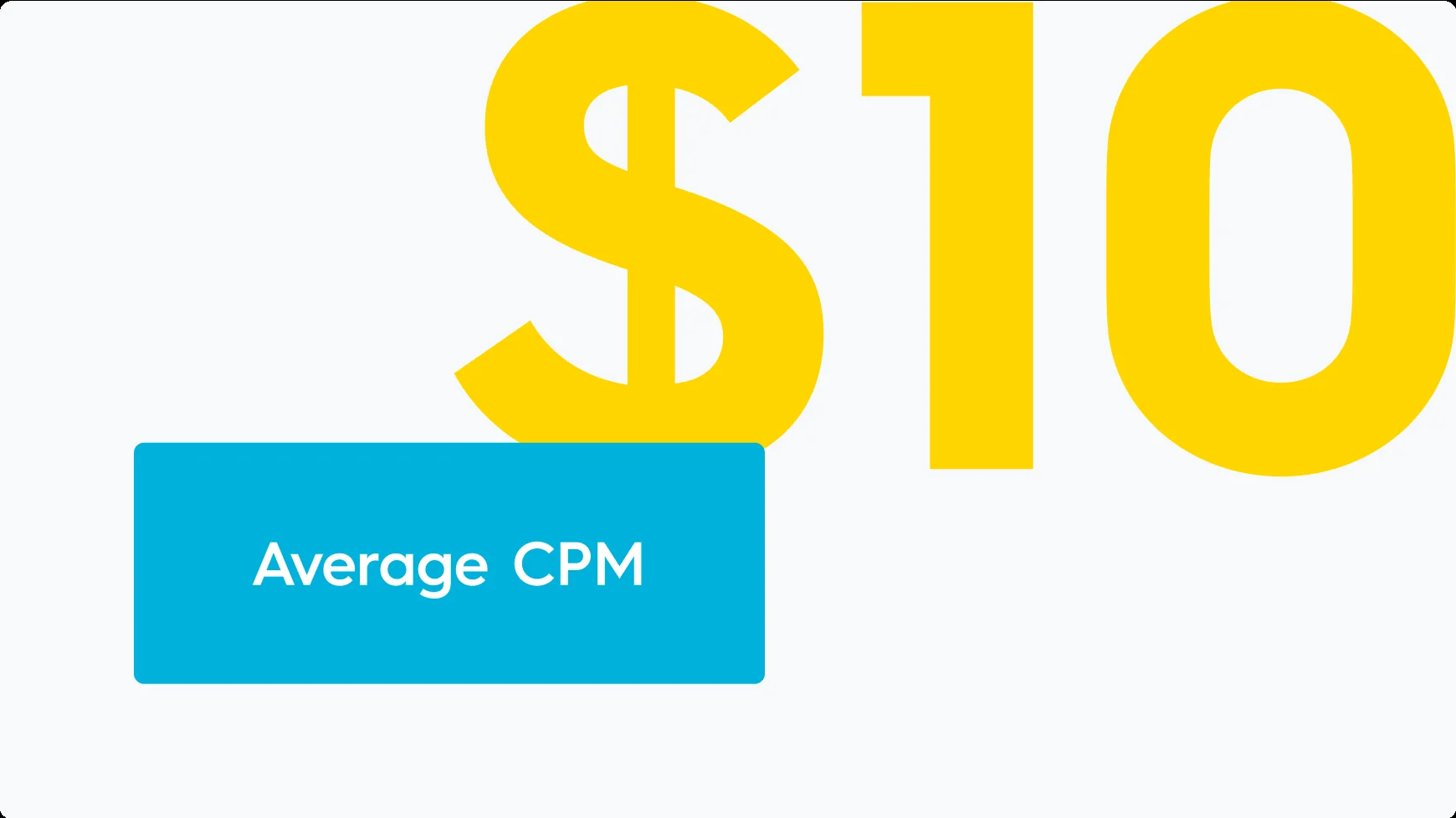
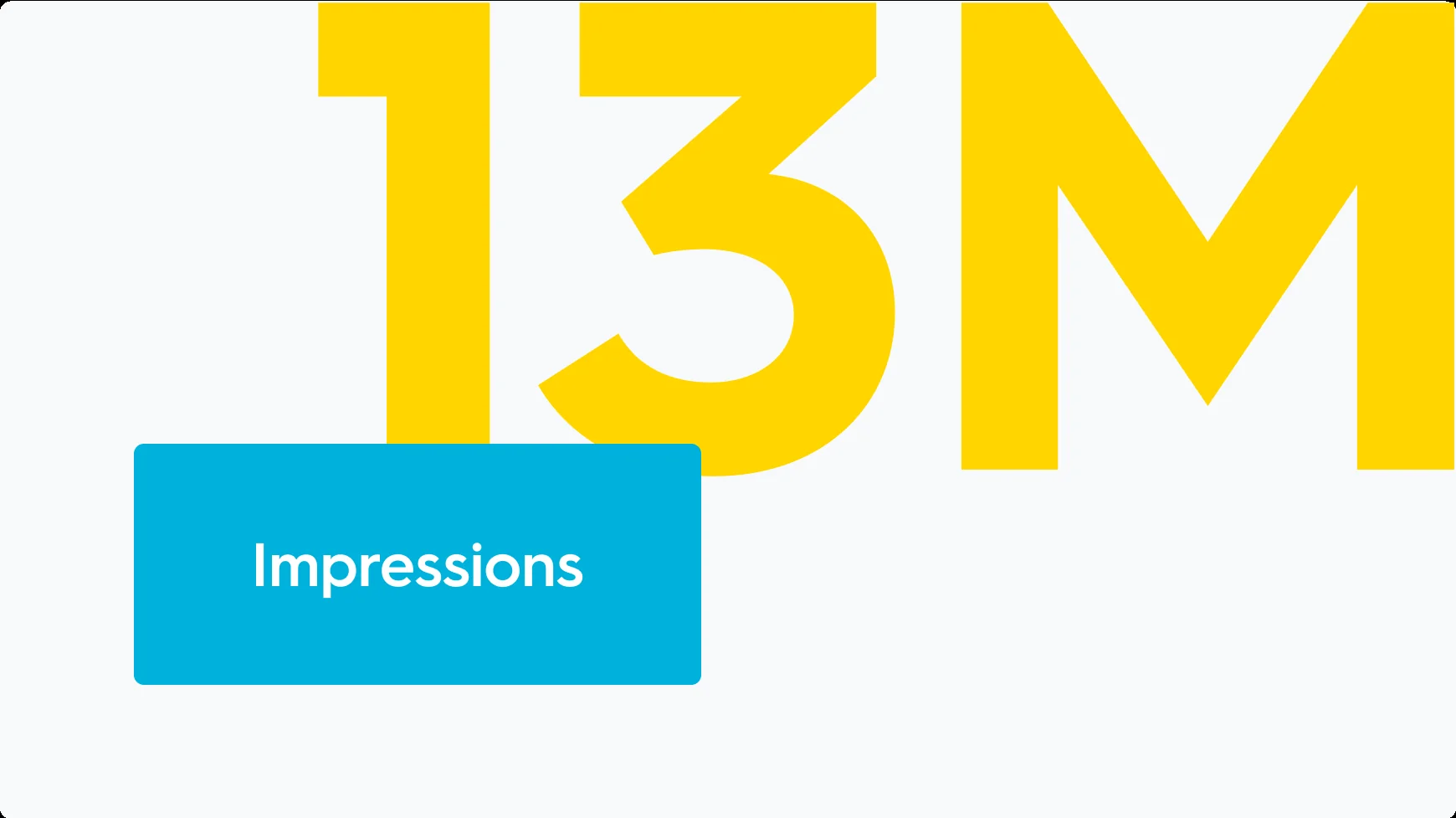
Executive summary: Bloomreach, a SaaS martech platform for e-commerce personalization, came to Column Five for their first-ever brand campaign. The mandate was scale across new audiences without a paid media playbook to reference. We built a brand campaign across digital, connected TV, programmatic, and podcast inventory, then optimized in real time. The campaign beat Bloomreach’s goals by 30%, moved 10% of their target account list from “unaware” to “aware,” and delivered 13 million impressions at a $10 average CPM.

Bloomreach came to us for their first-ever SaaS brand campaign to build brand equity.

Bloomreach is a platform that personalizes the e-commerce experience. In order to scale, they asked us to create a multi-channel paid media strategy to increase brand awareness with new audiences. It was an ambitious task, but we were excited to help them maximize their spend across platforms.


The audience problem was specific to martech: enterprise marketers who buy personalization platforms typically research vendors through analyst reports, peer references, and event channels, not paid display. Reaching them required threading a brand campaign into the contexts where they actually make buying decisions. Bloomreach also needed a baseline; with no prior brand campaign to benchmark against, every channel choice would also serve as the first datapoint for future planning.
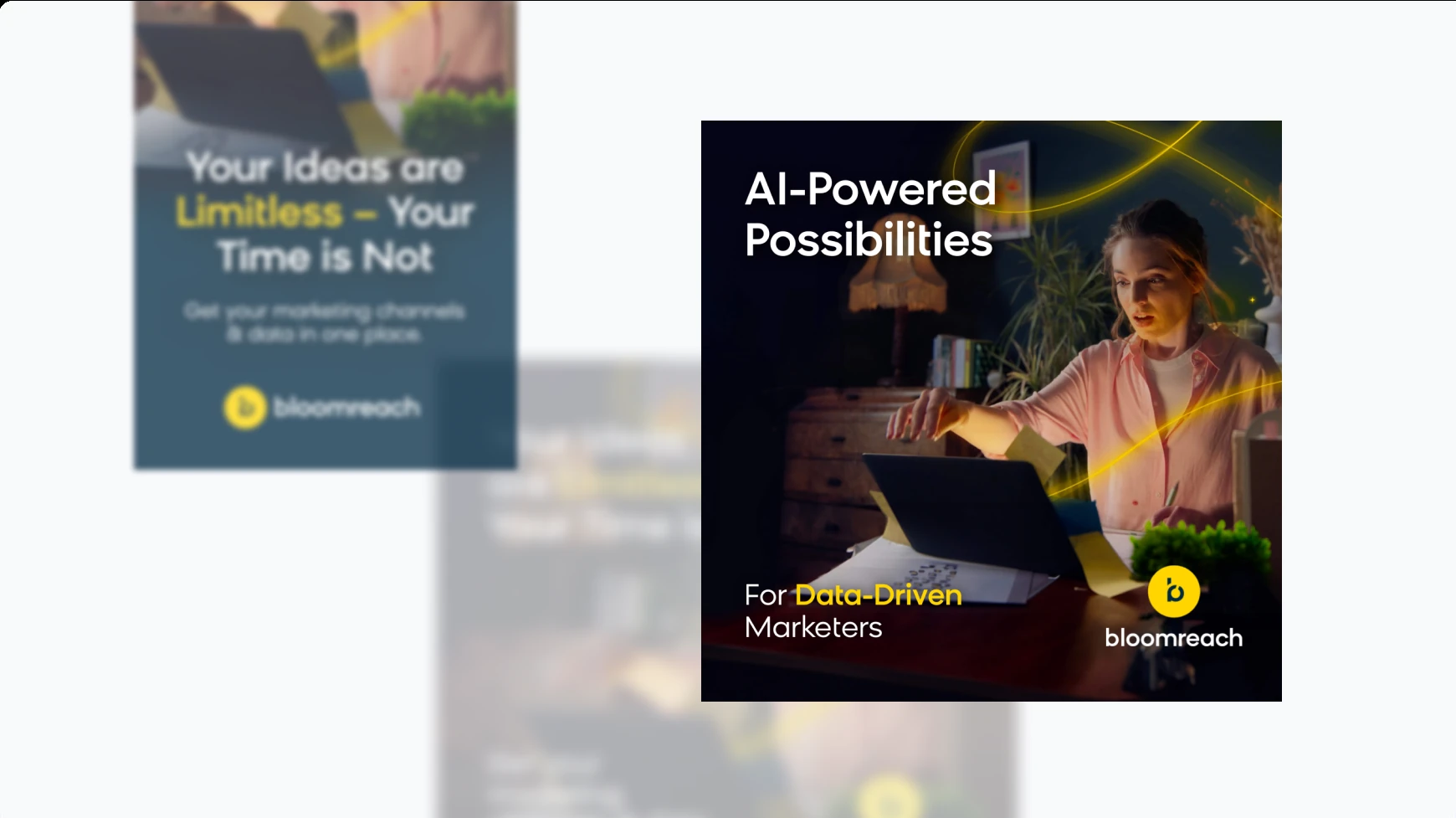
Audience segmentation and multi-channel testing created the winning brand campaign mix.

Although the theme of Bloomreach’s campaign was “Be Limitless,” to deliver that message to their e-commerce audiences, we focused on specificity. By using geofencing, historic data, and targeted job titles, we segmented the exact audiences they wanted to reach and partnered with specialized vendors to deploy the campaign across a multi-channel buy (including digital channels, connected TV, programmatic channels, podcasts, and more). Best of all, through a test-and-learn approach, we were able to improve results in real time.


The targeting stack went deep on segmentation: geofencing around target-account headquarters and adjacent industry events, historical interaction data from Bloomreach’s own first-party sources, and job-title filters for VP and director-level e-commerce and digital marketing roles. We matched each segment to inventory where the messaging would land: connected TV for offline-of-work consumption, podcasts for commute and focus time, programmatic for retargeting, and B2B social for repeat exposure. Three channel-specific creative iterations went into market in the first two weeks, with budget reallocating toward the highest-performing combinations after Week 2.

As martech partners, we improved more than their brand campaign's reach.

We also set up new workstreams to keep our teams connected, improve collaboration, and deliver creative recommendations to increase future success. As this was Bloomreach’s first large-scale campaign, this effort helped us guide them through each step and build scalable workflows with one another.

The SaaS brand campaign strategy that surpassed brand awareness goals by 30%.

Thanks to this hyperfocused strategy across multiple channels, we increased crucial metrics across the board.

  • 10% of target account list moved from ‘unaware’ to ‘aware’
  • 13M impressions (beating campaign goal)
  • $10 average CPM
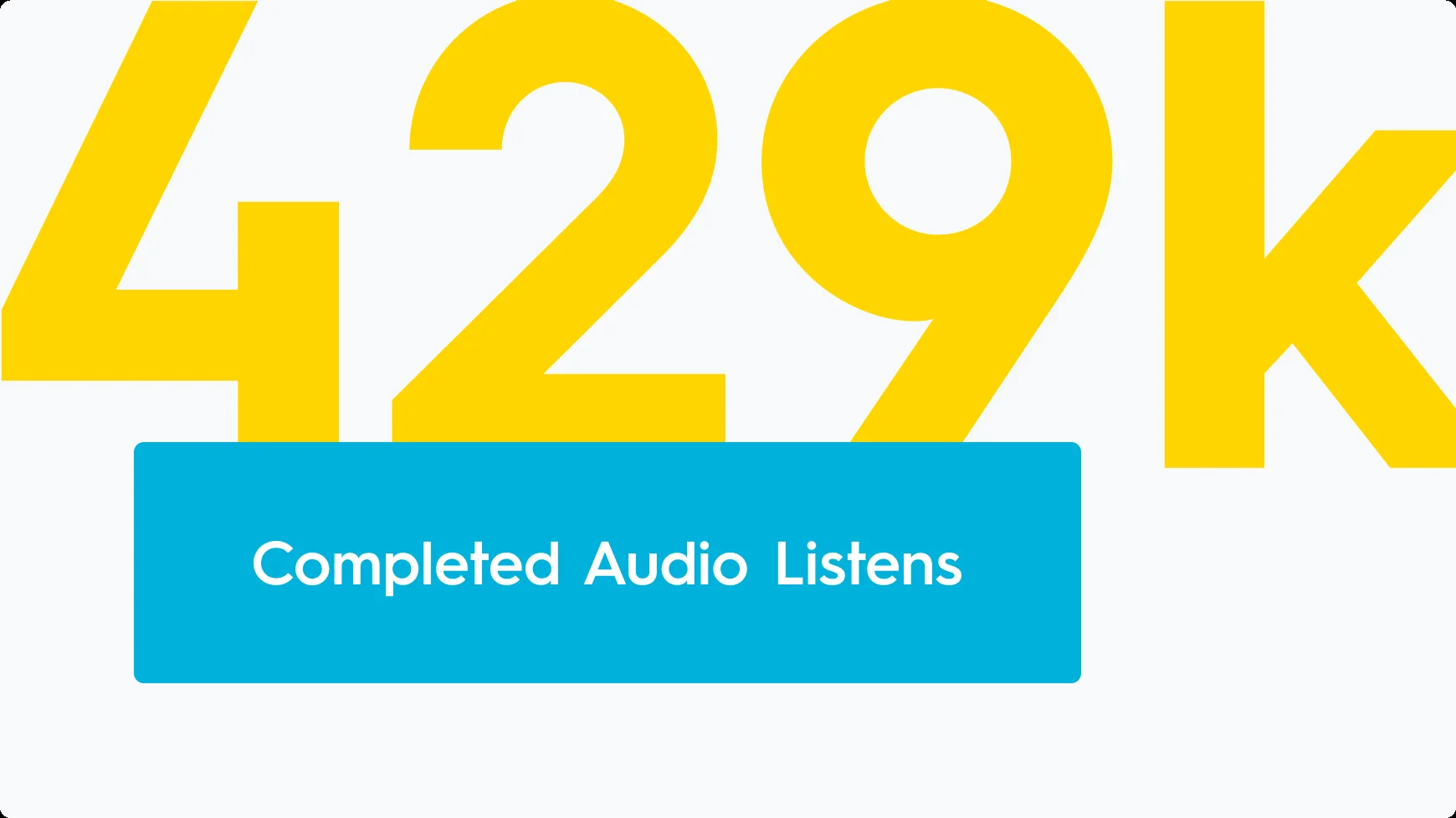
  • 429K completed audio listens at an average cost of $0.03 (vs. national average $.02 – $.05)

For their first campaign ever, we’re happy to say Bloomreach made the big splash they needed to build brand awareness.


For Bloomreach, this SaaS brand campaign became the reference architecture for every subsequent brand initiative. The segmentation models, channel mix, and test-and-learn cadence developed here now anchor how the team plans broader-budget campaigns, proving that the first martech brand campaign playbook can compound for years if the foundation is built right.

Show me more work

Three ad creative variants from the Fieldguide ABM campaign on a dark gradient with glowing green orbs and Field Agents agentic AI messaging.

Fieldguide

An ABM Case Study in Launching Agentic AI for Audit and Advisory

Stock market chart on a digital LED display, illustrating the financial markets context for the J.P. Morgan Payments ABM campaign case study.

J.P. Morgan Payments

How an Account-Based Marketing Campaign Drove Growth for J.P. Morgan Payments

Ask a Marketing Expert

C5's GPT offers expert advice and resources to solve your marketing problems. Ask a question, or start with these prompts.

Build a competitive content strategy
Create content at scale
Implement AI marketing
Bridge sales and marketing
Improve marketing ROI
Build a strong brand strategy