Samsung + Android Enterprise

AI-Powered ABM Content for 57 Financial Services Accounts

Content Creation, Content Strategy

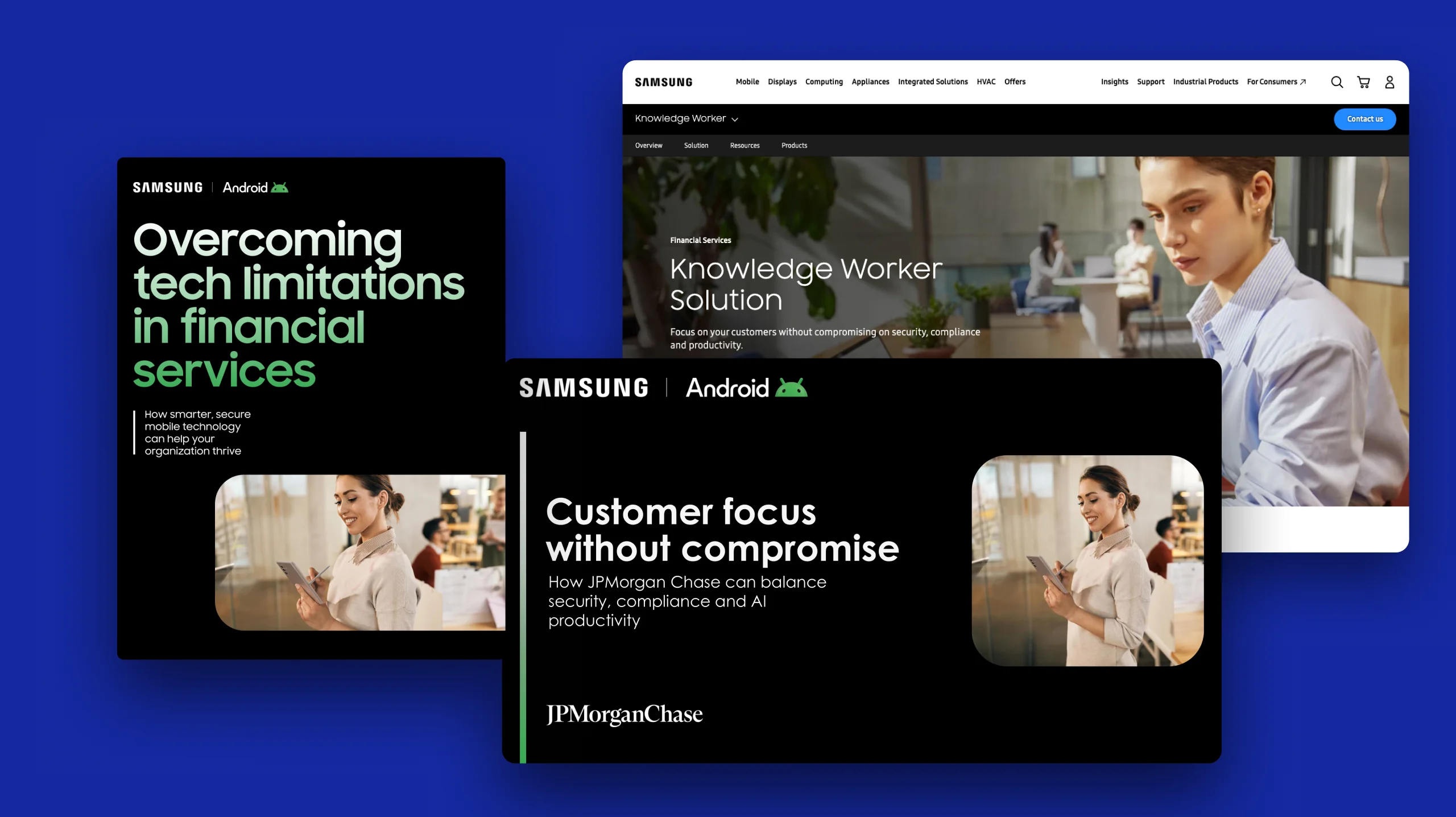
Executive Summary: Column Five built AI-powered account-based marketing (ABM) content for the Samsung + Android Enterprise sales team to use with 57 financial services accounts. We ran the full production lifecycle, from strategy and templates to a custom retrieval-augmented generation (RAG) system that wrote each account’s copy. Altogether, we delivered 114 personalized whitepapers and sales playbooks, plus the Knowledge Worker solution page on samsung.com.

Each of 57 executive meetings needed its own story

Samsung and Android Enterprise set out to bring Knowledge Worker, their secure mobile device solution, to 57 financial services firms. The program centered on one-on-one meetings with technology, security and operations executives at each account. We built the content for those meetings in collaboration with Ei Advisory and Periphas, who supplied the account research.


Each meeting called for a whitepaper and a sales playbook written around that company’s priorities. Writing 114 custom pieces by hand would have strained both the team and the review cycle. Instead, we needed a way to scale content without losing the brand’s voice.

We approved the framework before any versioning began

We started by building a formula for balancing 80% account-agnostic with about 20% account-specific content. Our writers and designers created an 11-page whitepaper and a nine-slide playbook pegged to a unique thought leadership concept along with product details and differentiators. The account-specific sections sit in the middle of each piece, bookended by the approved material.


Once Samsung signed off on the templates, we turned those sections into placeholders built to receive copy programmatically.

How our RAG system generated AI-powered ABM content for each account

The account research arrived as a dashboard export from Periphas and Ei Advisory, formatted for human readers. Specifically, it covered company backgrounds, key purchase drivers and dated account signals, spread across many tabs. First, we used a large language model (LLM) to clean and restructure that data into consistent fields for every company. Next, we loaded the cleaned records into a database that our custom RAG system could query.


From there, the RAG system did the heavy lifting. It read each company’s context, wrote up its top three priorities, paired each one with a Samsung solution and dropped the copy straight into the template.


Still, our team stayed in the loop the whole way. We hand-edited the first samples before scaling up, and we reviewed every draft before it reached the sales team.

114 pieces of personalized sales enablement content, plus a solution page

The finished set gave the sales team a tailored pair of sales enablement assets for every account. Each whitepaper works as both a pre-read and a follow-up, built around one company’s goals. For example, Mastercard’s version focuses on diversifying its payment solutions, while Cigna’s centers on whole-person health. Meanwhile, each playbook anchors the meeting itself and walks through the account’s technology opportunity and tailored solutions.


We also wrote and designed the Knowledge Worker solution page on samsung.com, which tells the same story to every visitor.

What we'd tell any team planning AI-powered ABM content

57


Financial services accounts, each with a tailored whitepaper and playbook


114


Account-specific sales assets generated from one approved framework


80%


Standard content approved once and reused in every version


AI handled the repetitive tailoring, while our team set the framework, shaped the inputs and reviewed every draft. This approach also shapes our other AI-powered content systems and our ABM work for J.P. Morgan Payments. Four practices made the biggest difference:


  • Lock the framework first, because every version inherits its quality.
  • Clean the research before you generate anything, since the output can only be as specific as the inputs.
  • Keep the product story in the standard content so every version tells it the same way.
  • Hand-edit the first samples, then review every draft before it ships.

FAQ

Column Five’s work for Samsung and Android Enterprise is an example of AI-powered ABM content. A custom RAG system generated the account-specific sections of 114 whitepapers and sales playbooks. As a result, the sales team had a tailored version of the Knowledge Worker story for each of 57 financial services accounts.

We built approved templates that kept about 80% of the content standard. Next, an LLM cleaned the partner research, and a custom RAG system wrote each account’s profile, priorities and solutions. That copy flowed into the template placeholders automatically. Throughout, our team hand-edited the first samples and reviewed every draft before delivery.

An engagement like this one includes four parts:

  • A messaging framework with approved templates
  • A data pipeline that cleans account research
  • A RAG system that generates account-specific copy
  • Human editing and review of every draft

For Samsung, the outputs were 57 whitepapers, 57 sales playbooks and a solution page on samsung.com.

We take a content systems approach. Brand engineering encodes the narrative, messaging and structure once, and content engineering puts that brand to work at scale. For Samsung, the approved templates carried the brand story, while AI wrote only the account-specific sections. Because the RAG system drew every detail from the research database, each version stayed tied to that account’s research.

The most reliable way is to build human review into the start and the finish of the workflow. On the Samsung program, our team wrote and approved the templates and hand-edited the first AI-generated samples. Later, we reviewed every draft before delivery. That process follows our code of ethics for AI in content, which commits a person to review every AI-assisted output.

Retrieval-augmented generation (RAG) is a method in which an AI model retrieves facts from a specific source before it writes. In ABM content, for example, the source can be an account research database, which keeps each personalized section specific and accurate.

Talk to us about scaling your account-based content

If your sales team needs tailored content for dozens of accounts, we can help you build the system behind it. That includes the framework, the data pipeline, the AI tooling and the human review that keeps every version on brand. Our team would be glad to talk through your program and the content engine that could power it.

Show me more work

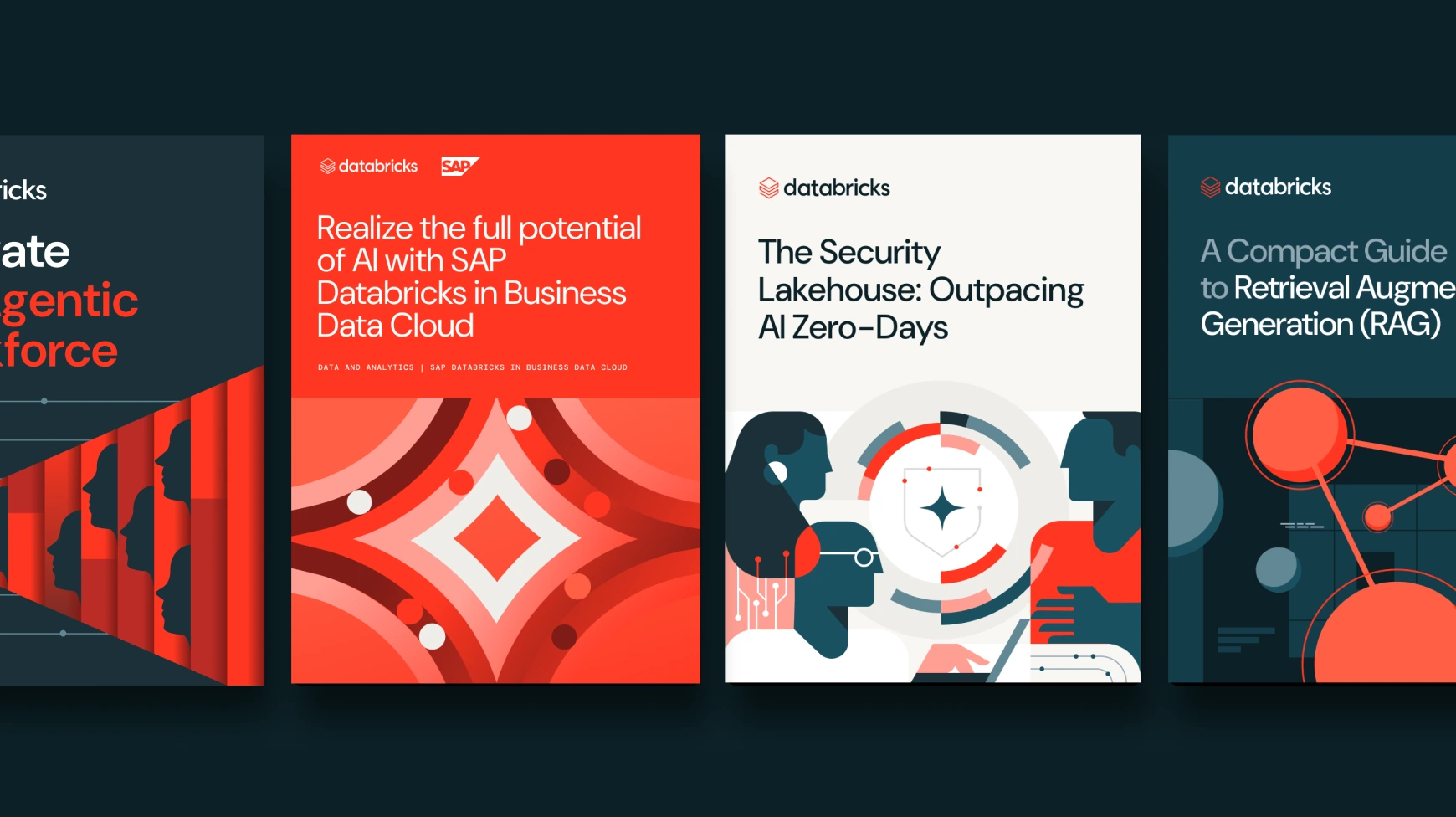
Four Databricks ebook covers on AI agents, RAG, the Security Lakehouse, and SAP Databricks, designed by Column Five

Databricks

Embedded Creative Production for a Studio Scaling Faster Than Its Headcount

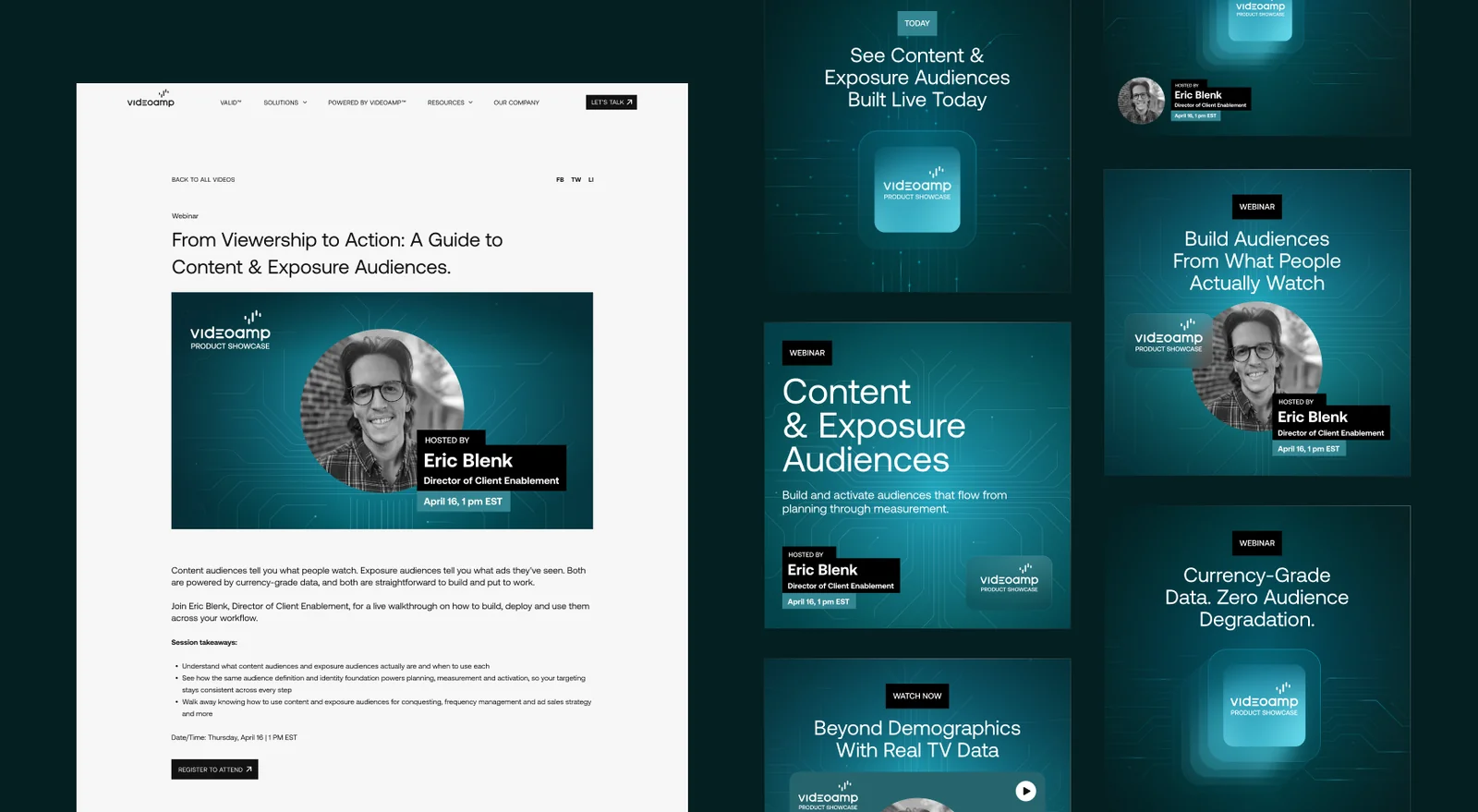
VideoAmp SaaS webinar engine landing page and social media assets designed by Column Five

VideoAmp

5X the Webinar Engagement in 90 Days

Ask a Marketing Expert

C5's GPT offers expert advice and resources to solve your marketing problems. Ask a question, or start with these prompts.

Build a competitive content strategy
Create content at scale
Implement AI marketing
Bridge sales and marketing
Improve marketing ROI
Build a strong brand strategy