The best B2B campaigns don’t just hit their numbers; they change how an audience thinks about a problem. A fintech startup rewrites the rules on SEO. A cybersecurity company turns its own name from an objection into an asset. A SaaS brand buys a Super Bowl ad and makes every other B2B company wonder why they didn’t do it first.
These are the campaigns worth studying — not because of the tactics, but because of the strategic bets behind them. Each one started with a specific business problem and an unconventional answer. Some are our own client work. Some are external campaigns we admire. All of them offer something a senior marketing leader can take into their next planning session.
What Separates a Great B2B Campaign From a Forgettable One?
It’s not budget. Some of the most effective B2B marketing examples on this list cost a fraction of what their competitors spent.
The pattern that holds across all 15: the campaign solved a positioning problem, not just a distribution problem. Blend didn’t just “do SEO” — they built keyword architecture for an industry that didn’t have one. HackerOne didn’t just “refresh the brand” — they neutralized the single biggest objection enterprise buyers had. Gong didn’t just “run an ad” — they signaled a category position that no amount of content marketing could have communicated as fast.
The tactical details matter. But if you’re a marketing leader looking for campaign inspiration, start with the strategic bet each team made, and ask whether a similar bet applies to your situation.
The Best B2B Marketing Case Studies
1. Blend Builds SEO Infrastructure, Increasing Site Traffic 183% (Fintech)
The problem: Blend, a FinTech company in mortgage and consumer banking, had zero organic visibility. No keyword strategy, no content engine, no SEO infrastructure. They were invisible in the channels their buyers actually used for research. A common misconception in B2B SEO is that low-volume keywords have no value. In reality, if the keywords match your business model, ranking for those terms can be incredibly impactful.
The strategic bet: To build a robust and high-ranking content ecosystem, we constructed a keyword cluster framework targeting Blend’s core audience and adopted a two-pronged approach to tackle those keywords.
- First, we optimized Blend’s core site pages to drive traffic.
- Then, we created fresh content to expand Blend’s reach.
Collaborating closely with the Blend team, we established an efficient workflow and regular publishing schedule, enabling us to scale content production and consistently support our SEO objectives.
Blend achieved significant improvements, including:
- 183% increase in site traffic
- Over 50 unbranded keywords ranking on Page 1
- Site visibility increase from 1.82% to 13.89%
Why it worked: The compound effect of keyword architecture meant each new piece of content strengthened the others; the growth curve accelerated over time rather than flattening.
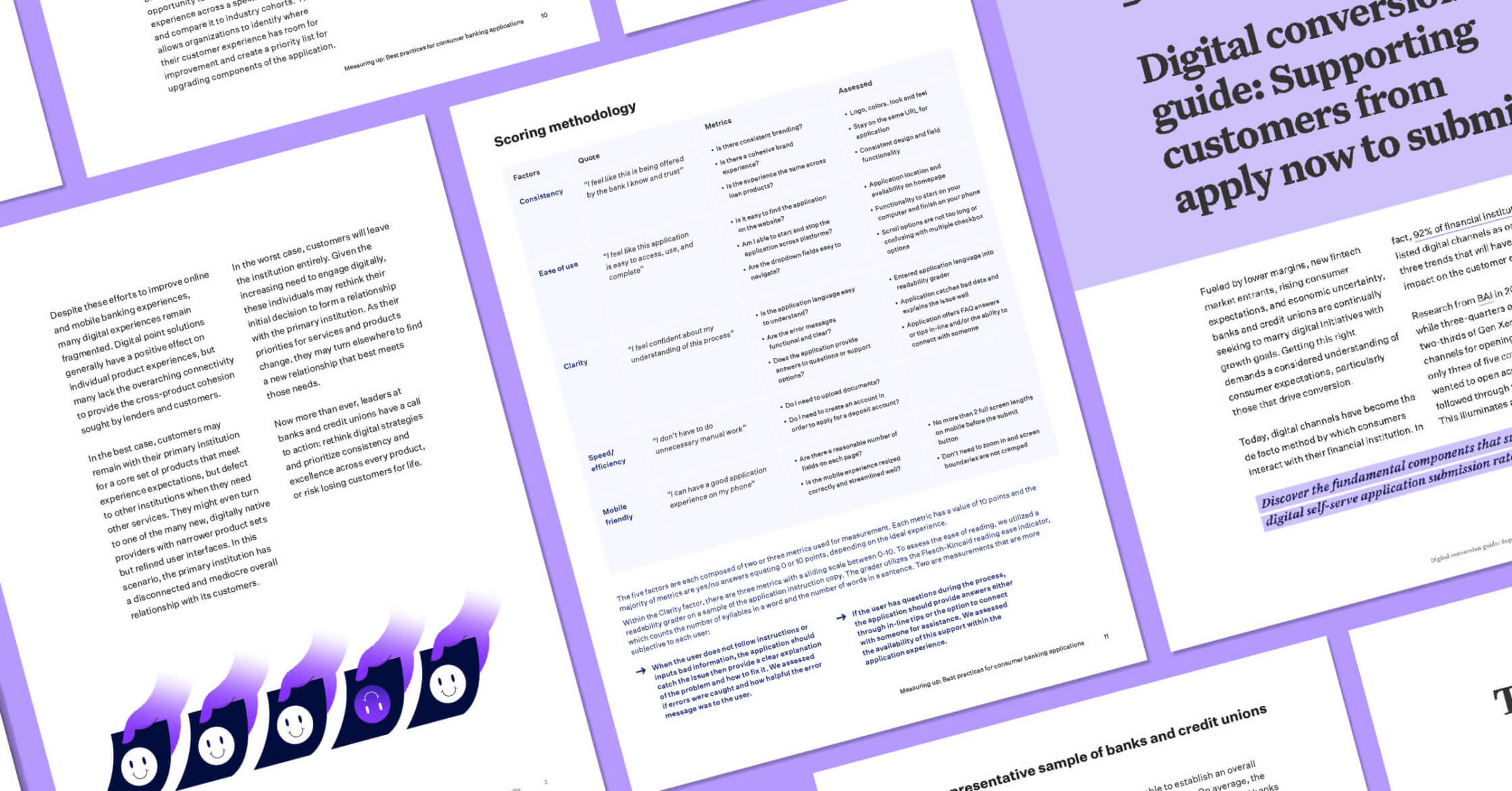
The takeaway for your team: SEO requires constant adaptation, so it’s important to create a flexible strategy that can evolve as you grow. See our guide to choose the right keywords for your brand, and learn about the latest SEO practices to compete against AI. Although it’s tough to start from scratch, if you target the right keywords with a steady stream of valuable content, you’ll see your rankings improve over time.
“We would have been completely satisfied if we had only received strong strategic guidance, an actionable SEO framework, and organic traffic results that speak for themselves. In addition, we also gained a passionate and compassionate set of new teammates committed to our success.”
— Greg Babel, Lead — Brand, Editorial, and Advocacy, Blend
2. VideoAmp — A Website Redesign That Was Really a Messaging Project (AdTech)
The problem: VideoAmp had proprietary sports viewership data that no competitor could match — but no way to turn raw numbers into content that demonstrated their measurement capabilities or built thought leadership.
The strategic bet: Don’t just publish a report — build a recurring content franchise. We created “The Replay,” a monthly data report that transforms VideoAmp’s measurement data into visual stories. The debut edition took March Madness viewership data and surfaced counterintuitive cuts (cat households outwatching dog households, for example) to prove the depth of VideoAmp’s segmentation — wrapped in a playbook visual motif with custom data visualizations and interactive elements. Read the full VideoAmp case study.
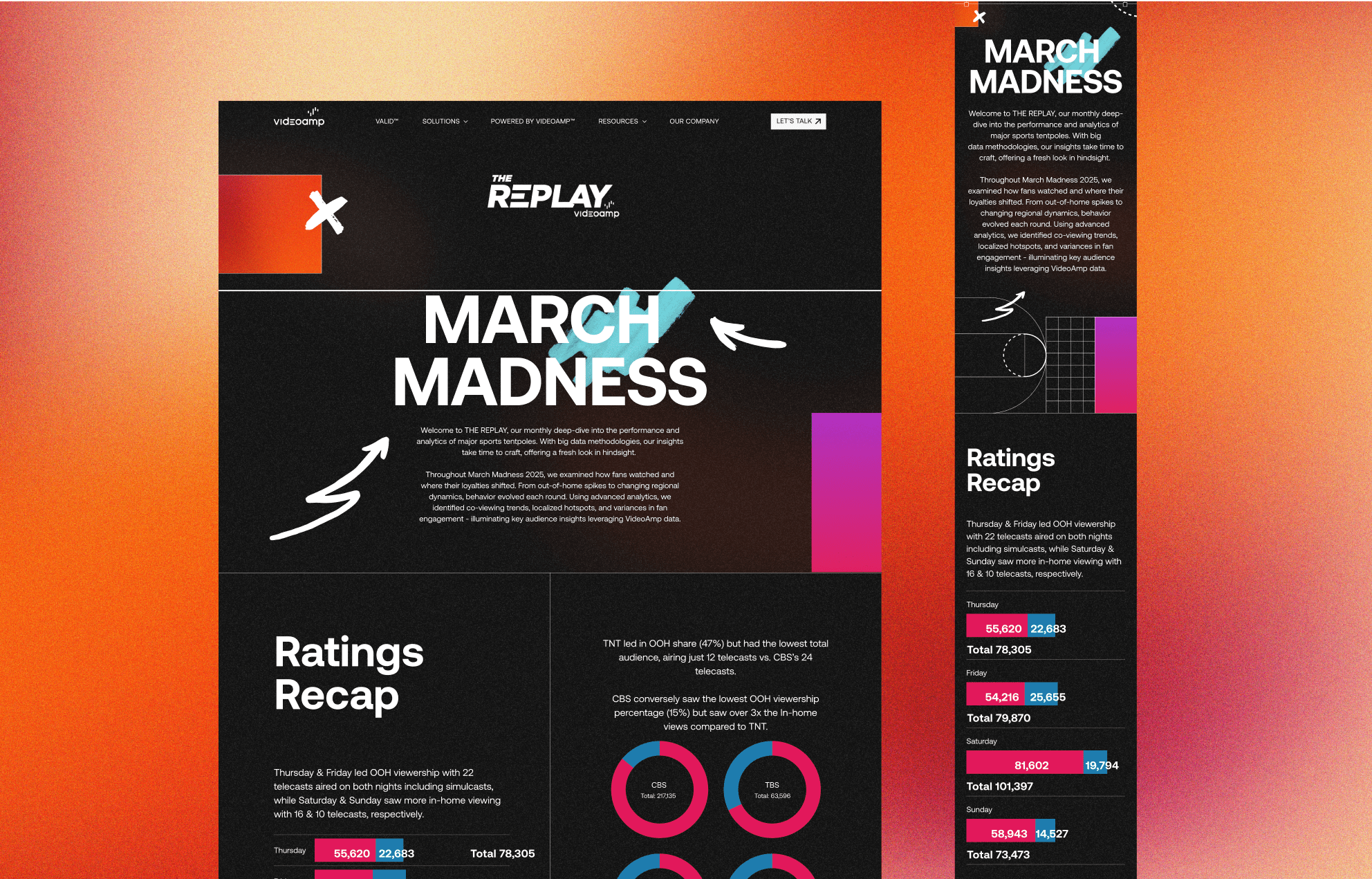
Why it worked: The first edition earned coverage in CNN’s newsletter and positioned VideoAmp as a thought leader in media measurement. More importantly, the scalable framework means every future edition builds on the last — compounding brand authority monthly instead of resetting with each campaign.
The takeaway for your team: If you’re sitting on proprietary data, the opportunity isn’t a one-off report — it’s a recurring franchise. A repeatable format that gets better with each edition builds more authority than a dozen standalone pieces.
“With all the moving parts and individual tasks, C5 never missed a beat — we could not have asked for a better partner.”
— Michelle Kim, VP of Brand Design, VideoAmp
3. Lucidworks’ Interactive Educates Executives (Developer Tools)
The Challenge: Lucidworks helps companies build AI-powered search and data discovery solutions for employees and customers. To position the brand as a thought leader and provide much-needed education about data, Lucidworks wanted to create a fresh piece of content around the provocative subject of dark data.
What We Did: Dark data can be a dry and tedious topic. To make it more engaging and captivating, we proposed an interactive microsite that would immerse users in the story—through the metaphor of an iceberg. Using copy, imagery, animation, and interactivity, we guided users into the dark abyss below the surface to reveal the value of dark data. This creative treatment brought the story to life in an unexpected way, becoming the perfect hero piece to showcase Lucidworks’ expertise.
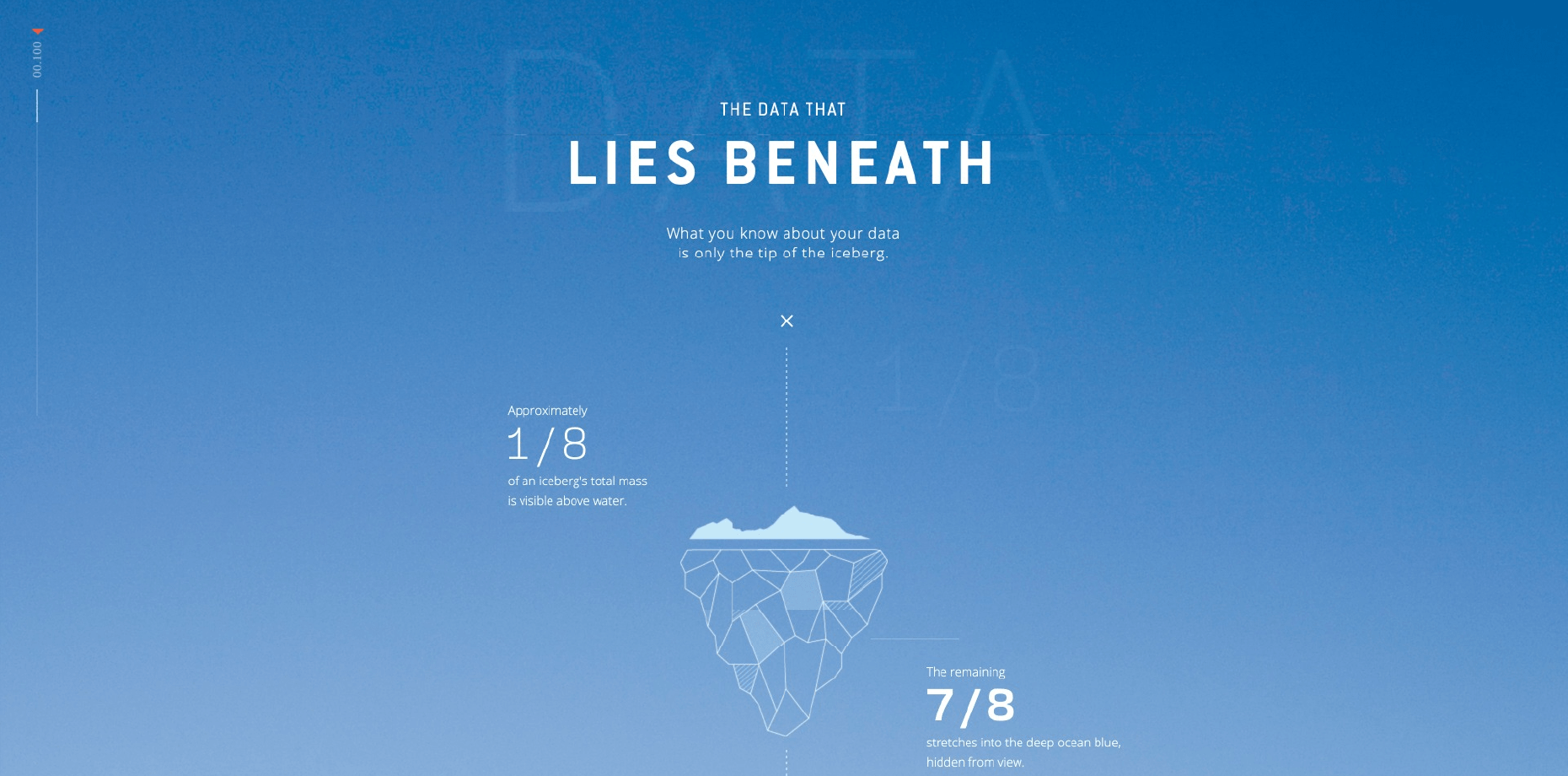
The Takeaway: Visual storytelling can be a powerful tool, and interactive content is especially enticing. If you’re not sure what types of stories you might tell in this format, follow these tips to brainstorm great interactive ideas.
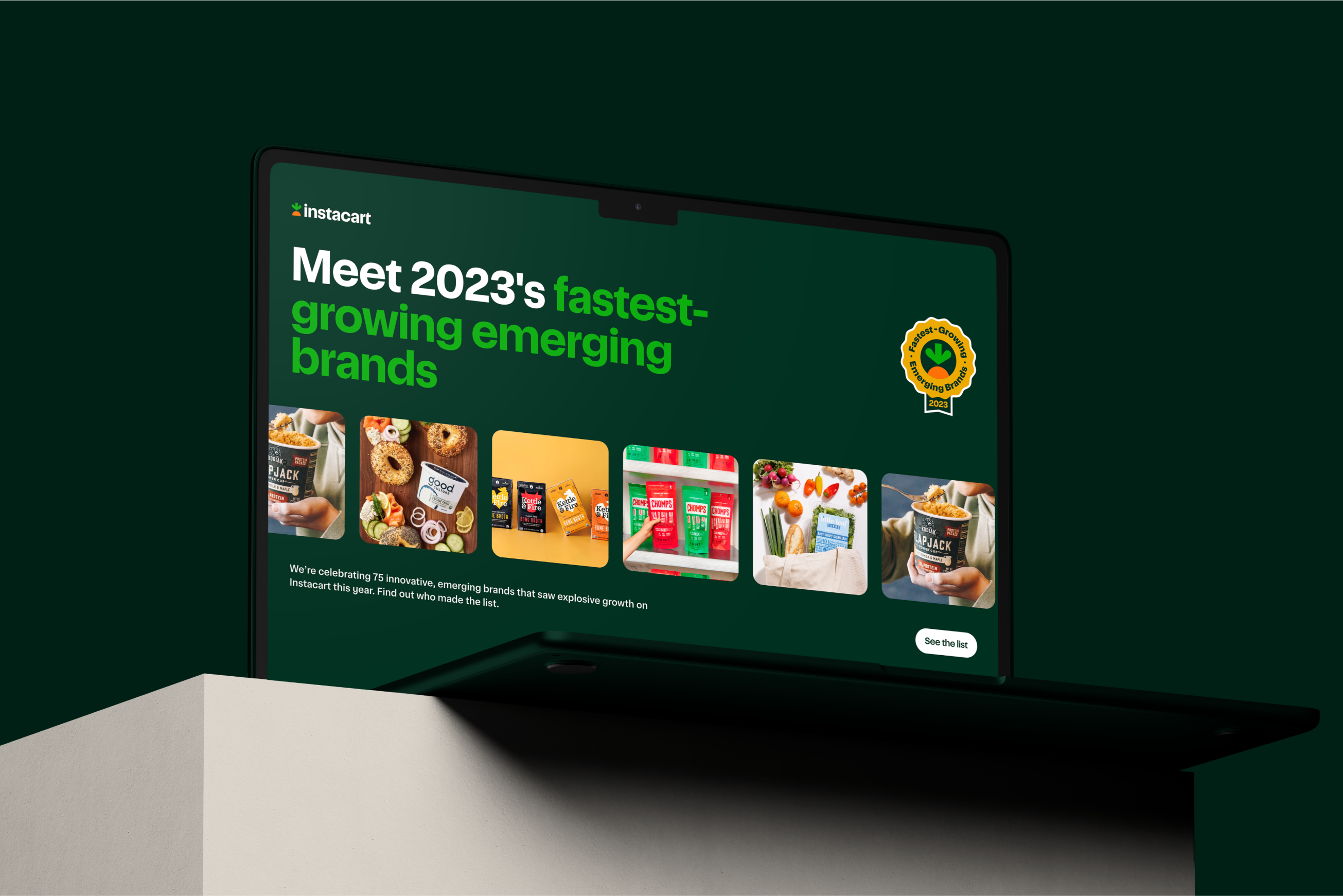
4. Instacart Ads — 115 Assets in 4 Weeks for a Major Feature Launch (Enterprise)
The problem: Instacart needed to launch a campaign communicating same-as-in-store pricing at select retailers — and they needed it in four weeks. A traditional agency process couldn’t move that fast.
The strategic bet: Kill the handoff. Instead of a sequential brief → concept → review cycle, we embedded directly with Instacart’s commercial marketing team, brainstorming and iterating in live sessions. The work spanned paid social, display, OOH, grocery TV, direct mail, email, streaming audio, and three full video spots — with English-to-French Canadian translation for the Quebec market. Hyperlocal insights shaped the messaging for each priority market. Explore the full Instacart Ads case study.
Why it worked: 115 assets delivered across channels. Retailers offering price parity grew 10 percentage points faster than those with markups. The campaign became a cornerstone of Instacart’s pricing strategy — their CEO cited it publicly at Goldman Sachs Communacopia. And the embedded model worked so well that Instacart expanded the partnership to two additional internal teams.
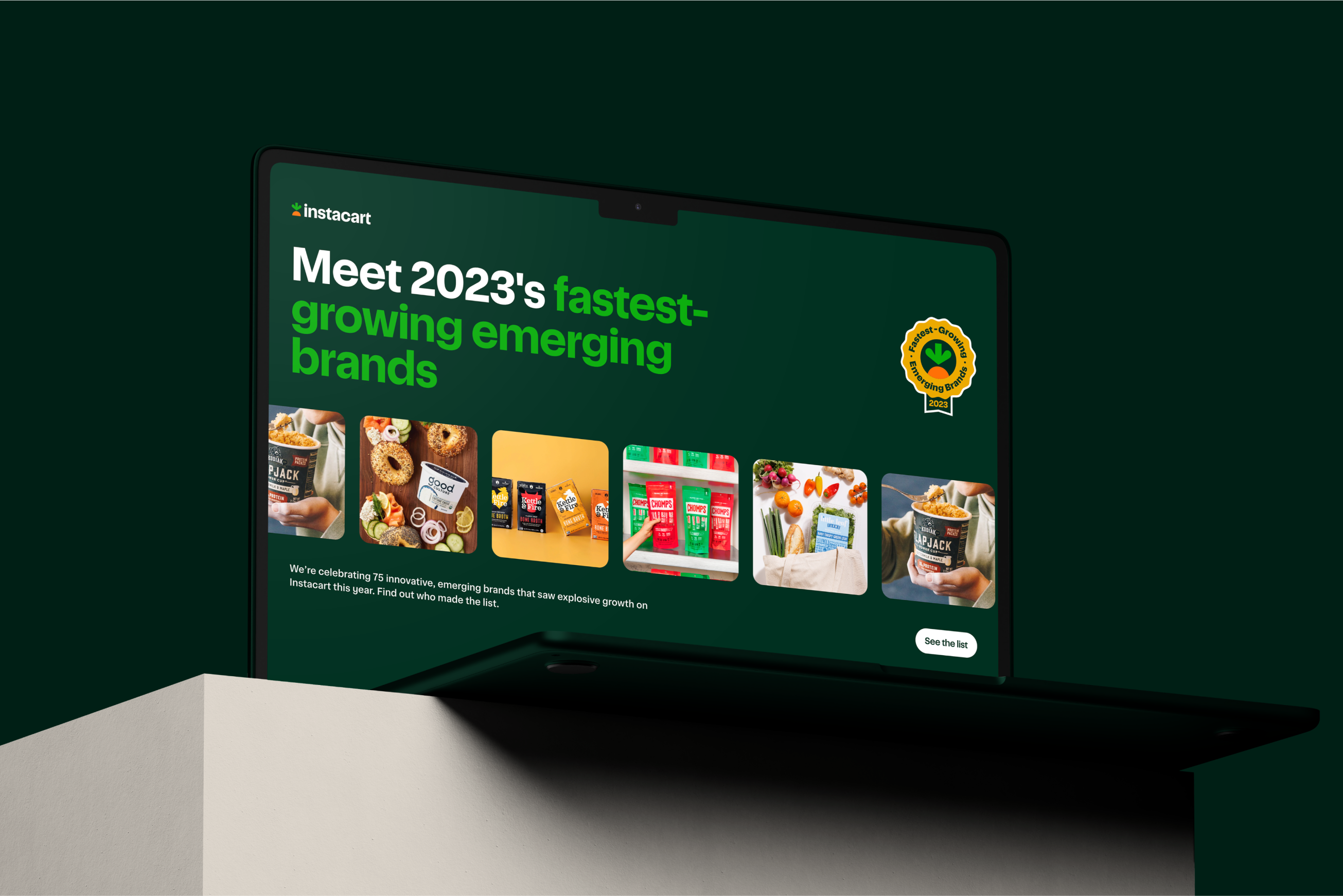
The takeaway for your team: When speed matters more than process, embed instead of hand off. The four-week deadline that seemed impossible actually forced a better way of working — fewer approval layers, faster decisions, tighter creative.
“I didn’t know content could be this good.”
— Amanda Smith, Senior B2B Marketing Manager, Instacart
5. HackerOne — Neutralizing a Brand Objection to Unlock Enterprise (Cybersecurity)
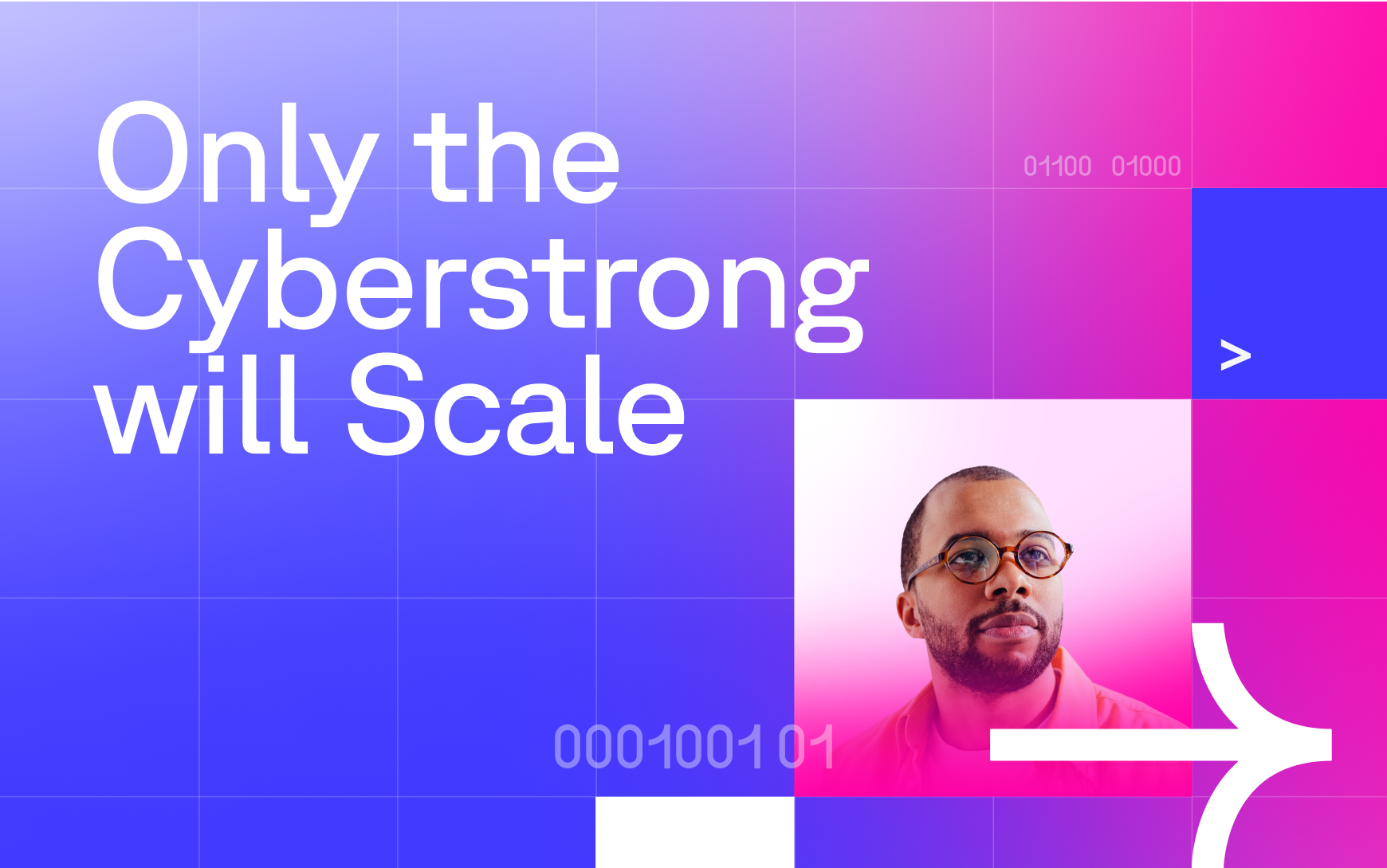
The problem: HackerOne needed to break into the enterprise market. Research surfaced a brutal truth: CISOs and enterprise security leaders had negative associations with the word “hacker.” The company’s name — its core identity — was the thing blocking enterprise deals.
The strategic bet: Don’t hide from the name. Reframe it. We built a full brand repositioning around “Cyberstrength” — shifting HackerOne’s positioning from reactive, defensive security to proactive risk management. New messaging framework, refreshed visual identity, enterprise-targeted content. The word “hacker” went from objection to differentiator. Read the HackerOne case study.
Why it worked: The repositioning opened enterprise doors that were previously closed. Instead of softening the brand to sound more corporate, the “Cyberstrength” frame gave enterprise buyers a positive lens for the exact thing that made them nervous.
The takeaway for your team: If your target buyers have an objection baked into how they perceive you, no amount of demand gen fixes that. Fix the positioning first. Sometimes your biggest liability — properly reframed — becomes your strongest differentiator.
6. Fieldguide — Launching an AI Product to an Audience That Doesn’t Trust AI (AI Company)
The problem: Fieldguide built an agentic AI platform for accounting and audit professionals — a market that runs on manual processes, faces intense regulatory scrutiny, and reflexively distrusts AI automation. It needed to generate awareness quickly as the AI first-mover in the space.
The strategic bet: Don’t lead with AI. Lead with the outcome. We positioned the product as a “field agent” — not a chatbot, not an assistant — capable of stringing together complex audit tasks autonomously. The media mix was built for a professional audience that’s hard to reach digitally: DOOH placements in accounting firm lobbies, CTV, and proximity-based cross-device retargeting that followed targets from physical touchpoints to digital screens. Read the Fieldguide ABM case study.
Why it worked: The proximity retargeting approach proved effective enough to become our standard framework for reaching professional audiences in regulated industries. By meeting the audience in their physical environment first, we earned the digital attention that cold outreach never would have. This campaign outpaced standard media results, garnering a cross-channel CPM of under $20 and impressive non-awareness campaign byproducts such as 32 leads, a clickthrough rate of 0.75%, and a cost per click of $1.42.
The takeaway for your team: When your audience is skeptical of your technology category, lead with the job they already want done. Let the technology be the mechanism, not the headline.
7. Bloomreach — Agile Paid Media That Beat Goals by 30% (Enterprise SaaS / MarTech)
The problem: Bloomreach, an e-commerce personalization platform, wanted to run their first-ever brand campaign at scale. No existing paid media playbook, no baseline, and high internal expectations.
The strategic bet: Hyper-segment and test in real time rather than commit to a fixed plan. We used geofencing, historical data, and targeted job titles to reach specific accounts, then deployed across digital, CTV, programmatic, and podcasts. Instead of optimizing at the end, we optimized continuously — reallocating budget toward what was working within the first two weeks. See the full Bloomreach case study.
Through a test-and-learn approach, we continuously improved the campaign’s effectiveness in real time, ensuring optimal results. As a result, we surpassed Bloomreach’s goals:
- Moved 10% of their target account list from ‘unaware’ to ‘aware’
- Garnered 13 million impressions
- Maintained a $10 average CPM
- Secured 429,000 completed audio listens at an average cost of $0.03
Why it worked: Unique targeting channels allowed us to “own” face time with the audience on less competitive inventory. The real-time testing meant every dollar in week four was smarter than every dollar in week one.
The takeaway for your team: “Test and learn” sounds like a cliché, but most brand campaigns don’t actually do it. They set a plan and watch it run. Continuous optimization during the campaign — not after — is where the compounding happens.
8. SAP — A Sci-Fi Podcast That Won Content Marketing Project of the Year (Enterprise)
The problem: SAP wanted to raise awareness about SAP Leonardo technologies — machine learning, big data, blockchain — but their audience had tuned out the standard B2B playbook of whitepapers and webinars.
The strategic bet: Don’t forget to entertain. We produced Searching for Salai, a fictional nine-part science fiction podcast that wove time travel, history, and mystery into a narrative that reframed how listeners think about emerging technology. No product demos. No calls to action. Just a story good enough that people chose to spend nine episodes with it.
Why it worked: Two Content Marketing Institute awards — Best Podcast/Audio Series and Content Marketing Project of the Year. The podcast worked because it respected the audience’s intelligence and gave them something they wanted to consume on their own terms.
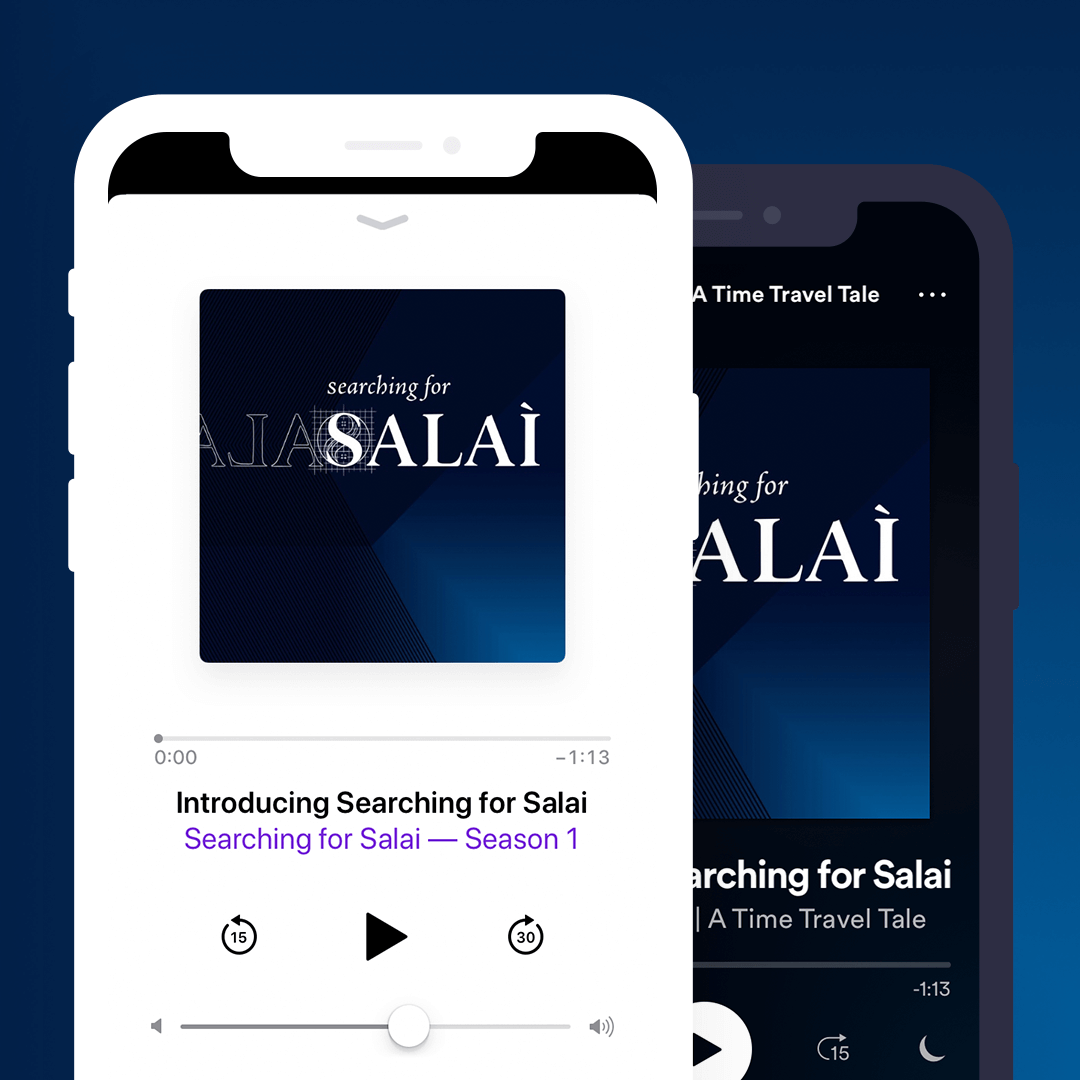
The takeaway for your team: The highest-performing B2B content often doesn’t look like B2B content at all. If your audience has tuned out your format, change the format — not the volume. Read the full SAP case study here.
9. Dialpad — Humor-Driven Video That Earned a Webby (SaaS)
The problem: Dialpad needed to launch VoiceAI in a crowded communication software market where every competitor sounded the same.
The strategic bet: Make people laugh. We rebuilt Dialpad’s brand strategy from the ground up — purpose, vision, mission, personas — then produced two comedic videos spoofing universal phone call frustrations. The tagline “Make Smarter Calls” gave the campaign a thread, but the humor gave it reach.
Why it worked: 300,000+ views. Webby Awards honoree in “Branded Entertainment Scripted.” The videos worked because the humor was grounded in a real, recognizable pain point — not forced or random. The laugh earned attention. The product payoff at the end earned consideration.
The Takeaway: Creative storytelling only works if you deeply understand your core brand story. If you haven’t already done it, build out your brand messaging framework to identify your tagline, value prop, and key brand story pillars, which will help you create on-brand content that is consistent and cohesive—no matter the format.
10. ELM Learning — A Rebrand That Lifted Opportunities 60% in 30 Days (eLearning)
The problem: ELM Learning had genuine differentiation — eLearning built around neuroscience and human emotion — but operated in a commodity market where every competitor claimed to be “innovative.” The brand didn’t communicate what actually made them different.
The strategic bet: Rebuild the brand around what clients actually say, not what the internal team assumed. After competitive research and stakeholder interviews, we anchored the repositioning around a “people-first” framework emphasizing ELM’s trademarked NeuroLearning methodology. New visual identity, new site, new content strategy — all built on the insight that ELM’s real edge was the working experience, not just the learning outcomes.
Why it worked: Opportunity rate increased 60% in the first 30 days, with multiple enterprise accounts entering the pipeline. The rebrand surfaced an existing strength that had been invisible — it didn’t create something new, it made something real finally visible.
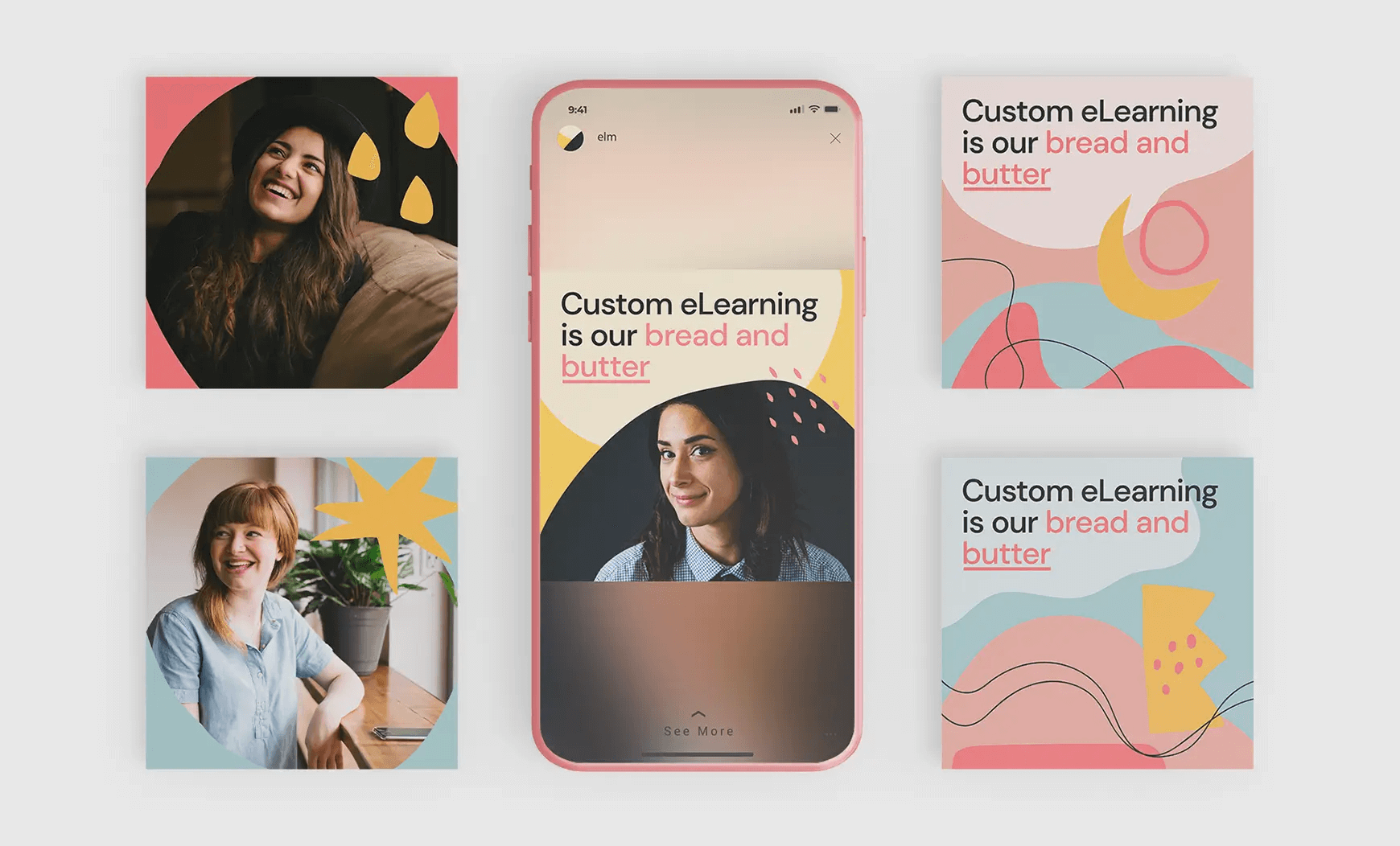
The takeaway for your team: If your differentiation exists but isn’t landing, the fix isn’t a new product — it’s a new story. Rebrands fail when they invent differentiation. They succeed when they reveal it.
11. Dropbox — Shifting Market Perception by 19% Through Sustained Positioning (Enterprise SaaS)
The problem: Dropbox was competing for engineering talent against Facebook, Amazon, and Google — companies with deeper pockets and louder employer brands. Top recruits saw Dropbox as a file-sharing tool, not a place to build innovative products.
The strategic bet: Treat recruiting like a brand campaign. We researched ~3,000 employees, candidates, and alumni to understand what actually attracted and retained talent at Dropbox, then built an employee value proposition around five messaging pillars — autonomy, flexibility, and diversity among them. The year-long “Build the Future” campaign repositioned Dropbox as a place where engineers build, not maintain. Supporting content included the #LifeInsideDropbox video series — live-action pieces following employees’ daily commutes in Austin, Paris, and San Francisco. Read the full Dropbox case study.
Why it worked: Brand perception increased 19%. As Dropbox’s Head of Global Talent Brand put it, the campaign changed how recruits saw the company before they ever talked to a hiring manager. The insight: employer brand isn’t an HR project — it’s a brand strategy project that happens to serve recruiting.
The takeaway for your team: If you’re losing deals — or candidates — to bigger competitors, the problem might not be your offer. It might be your story. A 19% perception shift came from research-backed messaging, not a bigger budget.
“Column Five really understood marketing and branding in general. They’ve been super innovative in their suggestions to us. They really understand how to properly tell a story and plan for a brand.”
— Mariama Eghan, Head of Global Talent Brand, Dropbox
12. Intuit Mailchimp — The “Clustomers” Campaign That Renamed a Pain Point (SaaS/MarTech)
The problem: Mailchimp needed to reposition from “email tool” to “full marketing platform” — specifically for advanced marketers who’d outgrown basic email but hadn’t explored Mailchimp’s expanded capabilities.
The strategic bet: Invent a word. Similar to HackerOne’s “Cyberstrength” concept, the in-house team at Wink Creative coined “clustomers” — the messy, unorganized contacts every marketer has — and built a global campaign around turning clustomers into customers. The insight, as the team told Marketing Dive, came from research showing personalization at scale was the top pain point for their advanced users.
Why it worked: Naming an unnamed frustration creates instant recognition. Every marketer has clustomers — they just didn’t have a word for it. The campaign gave Mailchimp permission to talk about advanced features by anchoring to a problem the audience already felt.
The takeaway for your team: Before you build a campaign, ask: is there a problem your audience experiences daily but hasn’t named? If you can name it, you own it.
13. Gong — A Regional Super Bowl Play That Outsmarted National Buyers (AI/RevTech)
The problem: Gong wanted category-defining awareness for revenue intelligence — fast enough to outpace well-funded competitors entering the same space.
The strategic bet: Run a Super Bowl ad — but smarter than everyone assumed. As CMO Udi Ledergor explained to Demandbase, Gong didn’t buy a national spot. They bought regional media in the Bay Area, then Chicago and Boston — the metro areas where sales professionals concentrate. The cost was a fraction of a national buy. The earned media from “a B2B company at the Super Bowl” was national anyway. See the campaign.
Why it worked: Record-breaking inbound pipeline in a single week. The regional buy reached their actual ICP at Super Bowl scale without Super Bowl cost. And the earned media — every B2B publication running the story — was worth more than the paid media itself.
The takeaway for your team: The channel can be the message. Sometimes the bravest strategic decision isn’t what you say — it’s where you show up.
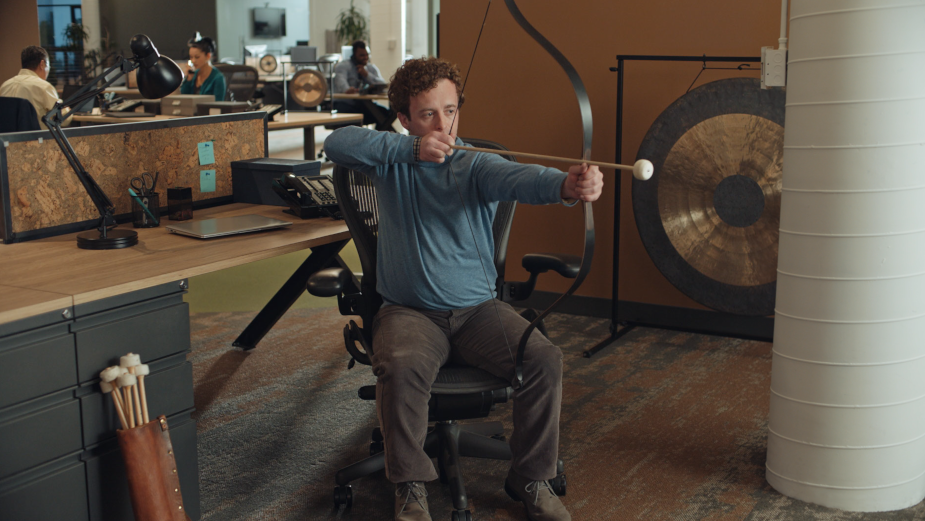
14. Drift — Category Creation as the Ultimate Marketing Strategy (AI/SaaS)
The problem: Drift entered a market defined by lead capture forms and gated content. Every competitor played by the same rules.
The strategic bet: Define a new category and own it. Drift coined “conversational marketing” and turned it into a movement — book, events, manifesto, and a content engine that made Drift synonymous with the new approach. As Dave Gerhardt explained on the Lochhead on Marketing podcast, naming the category was the precondition for everything — including the Conversational Marketing book that cemented ownership.
Why it worked: Drift grew from startup to billion-dollar acquisition by Salesloft. By the time competitors built chatbots, Drift wasn’t competing in “chatbots” — they’d defined a category where they were the obvious leader. You can’t unseat a category creator with a bigger budget.
The takeaway for your team: If you can’t win your current category, ask whether you should define a new one. Category creation is the hardest marketing play — and the most durable.
15. Databricks — Embedded Creative Production at Hyperscaler Scale (Enterprise / Data & AI)
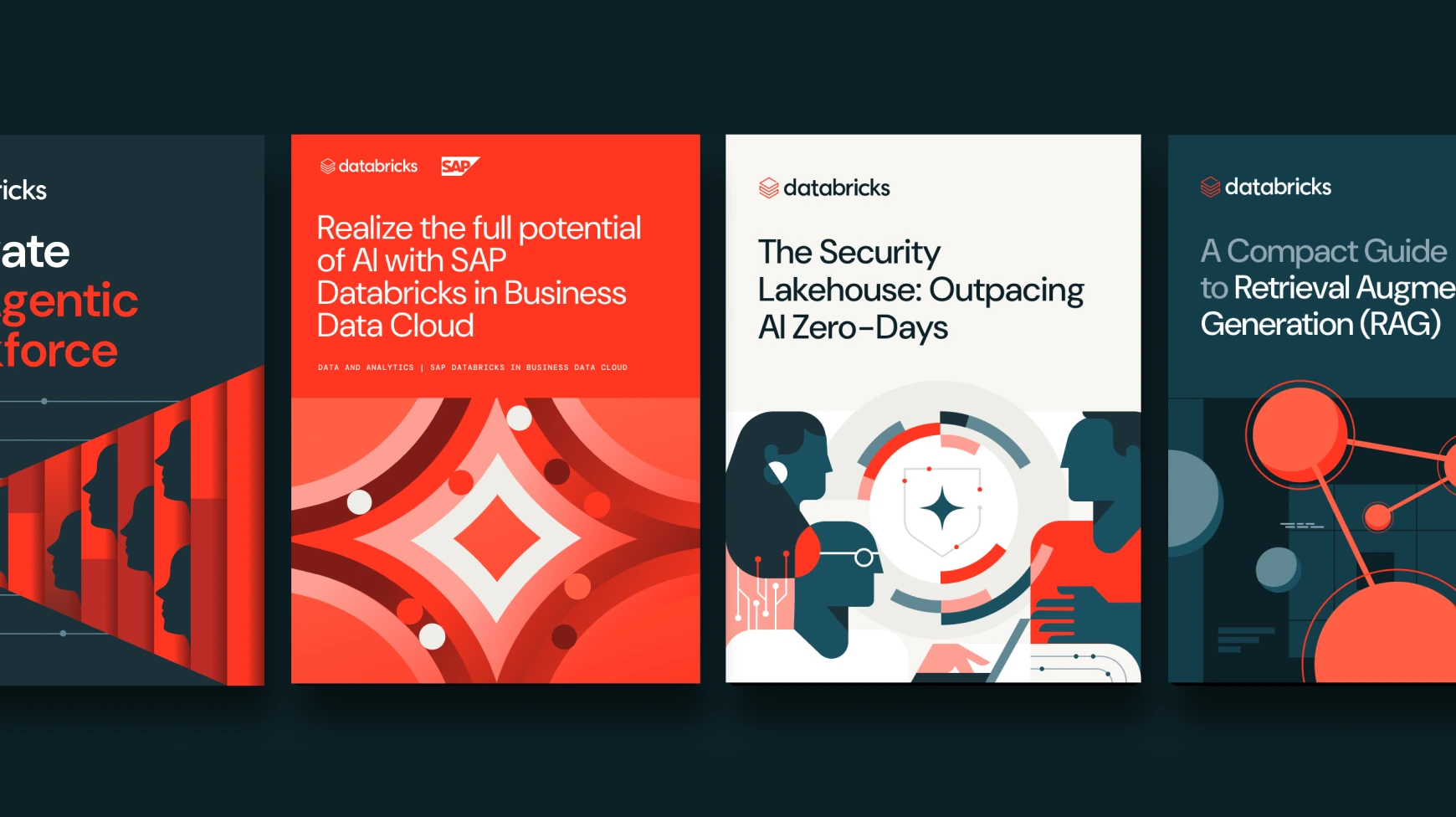
The problem: Databricks operates in a category that does not slow down. Every team needs creative support, and the internal studio cannot add headcount as fast as the business grows. The brand team had to protect its focus on brand architecture and large-scale identity work while constant, cross-org demand kept piling up.
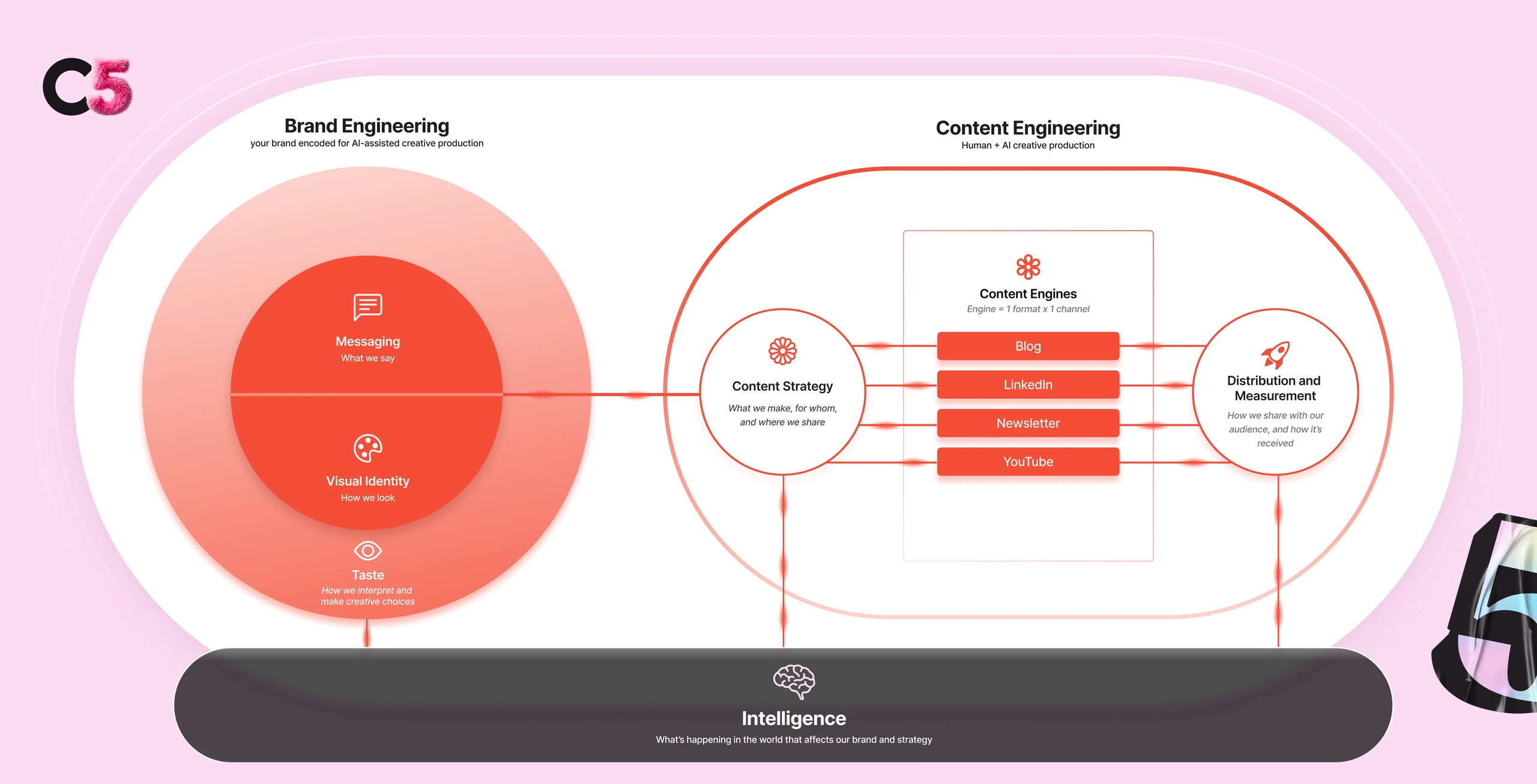
The strategic bet: Stop scoping project by project and embed instead. Since 2024, Column Five has run as a fixed-commitment creative production partner alongside Databricks’ internal creative operations studio. Databricks sets the priorities; C5 absorbs the volume on a sprint cadence across sales enablement, event collateral, Brickbuilder Partner Network branding, webinar assets, editorial design, email, and product marketing.
Why it worked: One engine scaled with the business instead of against it. The work spans the Data and AI Summit, the largest data and AI conference in the world, which moves more than 20,000 attendees through Moscone Center across four days, plus the Data and AI World Tour in Paris, London, and New York. The model keeps the brand consistent at scale and protects the internal team’s focus where it matters most.
The takeaway for your team: When demand outpaces a single studio, an embedded production partner beats project-based scoping. It flexes with the business, holds brand consistency across every team, and turns creative capacity into something that grows with demand rather than fighting it.
Why B2B Marketing Case Studies Matter More in 2026
A year ago, case studies were sales enablement collateral — PDFs your team sent mid-funnel. That’s changed.
With 84% of enterprise B2B buyers now using AI tools for vendor discovery — up from 24% just twelve months ago [Evidence: B2B Buyer Discovery Shift 24%→84%] — published case studies have become the primary proof layer AI platforms cite when recommending solutions. When a buyer asks ChatGPT or Claude for recommendations, the AI pulls from content with specific, measurable results. Case studies with named clients and real outcomes are exactly what those systems surface.
This means your marketing work needs to be:
- Published and findable — not locked in PDFs behind a form gate
- Specific about outcomes — real numbers, not vague improvements
- Relevant to your buyer’s industry — a fintech CMO wants to see fintech results
If you’re evaluating what kind of campaigns to invest in next, the examples above are a starting point. If you want to understand how to choose the right agency partner to build work like this, we wrote a guide for that too.
Frequently Asked Questions
What are the best B2B marketing case studies?
The strongest B2B marketing case studies combine a clear business challenge, a specific strategic bet, and measurable outcomes. Examples include Blend’s 183% traffic growth through SEO architecture, Gong’s regional Super Bowl strategy that generated record pipeline, and Drift’s category creation that led to a billion-dollar acquisition. The best examples show the strategic thinking behind the work — not just the results.
What makes a good B2B marketing campaign?
A strong B2B campaign solves a positioning problem, not just a distribution problem. It starts with a specific insight about the audience (HackerOne’s discovery that “hacker” was an enterprise objection, Mailchimp’s research that personalization at scale was the top pain point) and makes a strategic bet that the competition isn’t willing to make. Specificity beats scale.
Why are case studies important in B2B marketing?
Case studies are the most direct form of proof in B2B — they show prospects what working with you actually produces. With the shift toward AI-powered vendor discovery, case studies are also the content most likely to be cited when AI tools recommend solutions. If your results aren’t published and structured, you’re invisible in the fastest-growing discovery channel.
Want to build B2B campaigns worth writing about? See how our content strategy team works or explore our full case study portfolio.




Let's upgrade your marketing game
Get fresh tips, how-tos, and expert marketing advice every week. (15,000 people already are.)